
The psychological effects of gambling Understanding the mind behind the risk with forest arrow
The Allure of Gambling
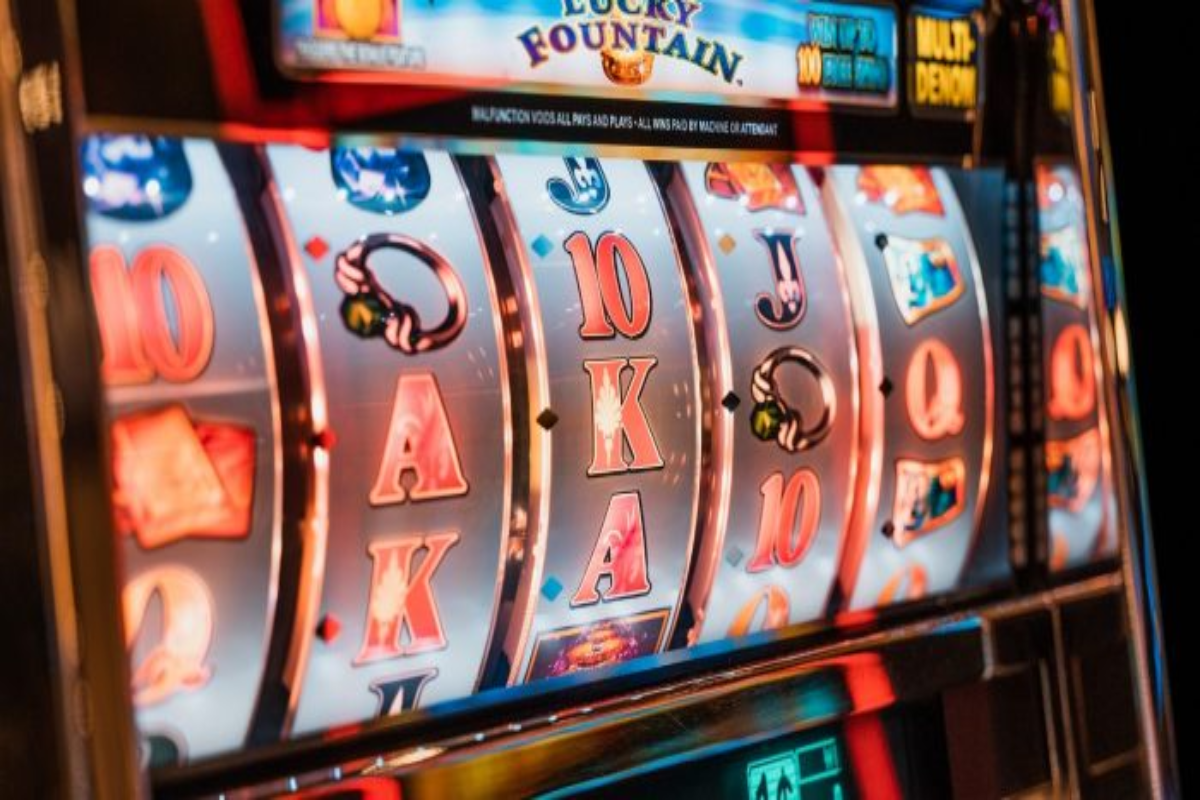
The thrill of gambling often lies in the excitement of risk-taking. Many individuals are drawn to casinos and online gaming platforms because they provide an escape from reality. The bright lights, engaging sounds, and the potential for large wins create a euphoric experience that can be hard to resist. This allure is fundamentally psychological; players often seek the adrenaline rush that accompanies high-stakes situations. In exploring new experiences like forest arrow, they find yet another way to enjoy the excitement.

Moreover, the anticipation of a win can trigger the release of dopamine in the brain, creating feelings of pleasure and reinforcing the desire to gamble again. This cycle of risk and reward keeps players engaged, often leading them to overlook the potential consequences of their gambling habits.
Myths and Misconceptions about Gambling
One prevalent myth is the belief that gambling is purely a game of luck. While chance does play a significant role, understanding the odds and house advantages can influence outcomes. Many gamblers believe they can develop strategies to outsmart the system, which can lead to compulsive behaviors. This misconception can be damaging as it gives a false sense of control over an inherently unpredictable activity.
Another misconception is that gambling only affects those who participate in high-stakes games. In reality, gambling can have psychological effects on individuals regardless of how much money they wager. Even low-stakes games can trigger compulsive behavior and lead to financial and emotional distress.
The Psychological Impact of Loss
Experiencing loss in gambling can have significant psychological consequences. Many gamblers feel a heightened sense of disappointment and frustration when they lose, leading to a phenomenon known as “loss chasing.” This behavior involves attempting to recover losses by placing additional bets, often exacerbating financial difficulties and emotional distress.
Furthermore, the inability to cope with losses can lead to feelings of shame, guilt, and depression. These emotional responses can create a vicious cycle, where the gambler continues to gamble in hopes of regaining lost money, leading to further losses and escalating psychological distress.
Coping Mechanisms and Recovery
To combat the negative effects of gambling, individuals can benefit from various coping mechanisms. Developing a strong support system, seeking therapy, and engaging in alternative activities can help mitigate the psychological impacts of gambling. Cognitive-behavioral therapy, in particular, has shown promise in helping individuals recognize and change harmful thought patterns associated with gambling.
Additionally, setting strict limits on time and money spent on gambling can serve as a protective measure. Creating awareness about the risks and psychological effects can empower individuals to make informed decisions, allowing them to enjoy gaming responsibly without succumbing to compulsive behaviors.
Explore Forest Arrow for Responsible Gaming
Forest Arrow provides a unique gaming experience that emphasizes safety and responsible gambling. With its innovative mechanics combining traditional gaming with thrilling archery action, players can enjoy a captivating adventure while being mindful of their gaming habits. The platform offers a free demo mode, enabling individuals to practice strategies without financial risk.
By focusing on responsible gaming, Forest Arrow encourages players to enjoy the excitement of online gaming while staying aware of the psychological effects associated with gambling. This commitment to a safe gaming environment makes it an excellent choice for both casual gamers and those seeking to explore their limits responsibly.
